


What is the Best Height for a Computer Desk?
As a computer desk supplier, I've encountered numerous customers who are puzzled about the ideal height for their computer desks. It's not just a matter of personal preference; the right desk height can significantly impact your health, comfort, and productivity. In this blog, I'll delve into the science behind the best computer desk height and provide some practical tips to help you make an informed decision.
The Importance of Proper Desk Height
Before we discuss the optimal height, let's understand why it matters. Sitting at a desk for extended periods is a common part of modern life, whether you're working, studying, or gaming. If your desk is too high or too low, it can lead to a variety of health issues, including:
- Neck and Shoulder Strain: A desk that is too high forces you to raise your shoulders and neck, leading to muscle tension and pain. Over time, this can contribute to chronic neck and shoulder problems.
- Back Pain: An improper desk height can also cause your back to arch or slouch, putting stress on your spine. This can lead to lower back pain, which is one of the most common complaints among office workers.
- Wrist and Hand Problems: If your desk is too low, you may have to bend your wrists at an awkward angle while typing or using a mouse. This can increase the risk of developing carpal tunnel syndrome and other repetitive strain injuries.
- Reduced Productivity: When you're uncomfortable, it's difficult to focus on your work. A desk that is the wrong height can make you feel fatigued and distracted, leading to decreased productivity.
Factors to Consider When Determining Desk Height
The best height for a computer desk depends on several factors, including your height, the type of work you do, and your personal preferences. Here are some key considerations to keep in mind:
-
Your Height: The most important factor in determining desk height is your own height. A general rule of thumb is that your elbows should be at a 90-degree angle when your hands are resting on the keyboard. This helps to maintain a neutral wrist position and reduces the risk of strain. To find the ideal desk height for your height, you can use the following formula:
Desk Height = (Your Height in Inches - 10) / 2
For example, if you're 68 inches tall, the ideal desk height would be (68 - 10) / 2 = 29 inches.
-
The Type of Work You Do: The type of work you do at your desk can also influence the ideal height. If you spend a lot of time typing, you may want a slightly lower desk to keep your wrists in a neutral position. On the other hand, if you do a lot of reading or writing, a slightly higher desk may be more comfortable.
-
Your Personal Preferences: Ultimately, the best desk height is the one that feels most comfortable for you. Some people prefer to sit upright, while others like to lean back. Experiment with different desk heights to find the one that allows you to work comfortably for extended periods.

Standard Desk Heights
While the ideal desk height varies from person to person, there are some standard desk heights that are commonly used in offices and homes. Here are the most common desk heights and who they are best suited for:
- 28 - 30 Inches: This is the standard height for most office desks. It is suitable for people who are between 5'6" and 5'10" tall.
- 30 - 32 Inches: This height is slightly taller and is better suited for people who are taller than 5'10".
- 24 - 26 Inches: This is a lower desk height that is ideal for children or people who prefer to work in a more relaxed position.
Adjustable Desk Heights
One of the best ways to ensure that you have the right desk height is to choose an adjustable desk. An adjustable desk allows you to raise or lower the desk to suit your needs, making it a great option for people of all heights and those who do different types of work at their desk.
There are several types of adjustable desks available, including manual and electric models. Manual adjustable desks are typically less expensive and are operated by a hand crank or lever. Electric adjustable desks, on the other hand, are more convenient and can be adjusted with the push of a button.
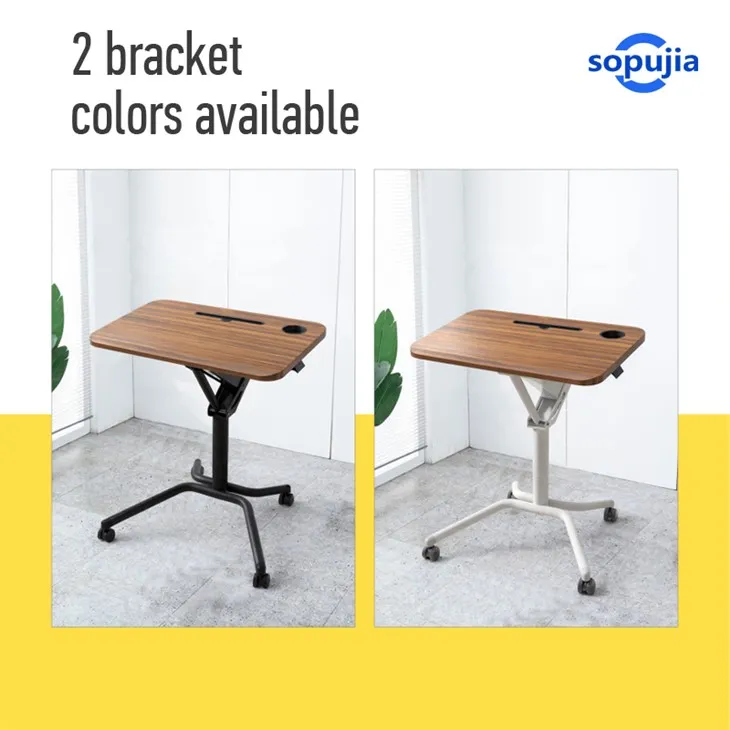
One popular type of adjustable desk is the Pneumatic Height Adjustable Desk. This type of desk uses a pneumatic cylinder to adjust the height, making it easy to raise or lower the desk with minimal effort. Pneumatic height adjustable desks are also relatively affordable and are a great option for home offices and small businesses.
Tips for Setting Up Your Computer Desk
Once you've determined the best height for your computer desk, it's important to set it up correctly to ensure maximum comfort and productivity. Here are some tips to help you set up your computer desk:
- Position Your Monitor: Your monitor should be positioned at eye level to avoid neck and eye strain. To achieve this, adjust the height of your monitor or use a monitor stand.
- Use an Ergonomic Keyboard and Mouse: An ergonomic keyboard and mouse can help to reduce the risk of wrist and hand problems. Look for a keyboard and mouse that are designed to fit the natural shape of your hands and wrists.
- Adjust Your Chair: Your chair should be adjusted to support your back and keep your feet flat on the floor. Look for a chair with adjustable height, lumbar support, and armrests.
- Take Breaks: It's important to take regular breaks throughout the day to stretch your muscles and give your eyes a rest. Get up and walk around every 30 minutes to an hour to reduce the risk of fatigue and injury.
Conclusion
Choosing the right height for your computer desk is essential for your health, comfort, and productivity. By considering your height, the type of work you do, and your personal preferences, you can find the ideal desk height for your needs. If possible, choose an adjustable desk to allow for flexibility and customization. And remember to set up your desk correctly and take regular breaks to keep your body healthy and happy.
If you're in the market for a new computer desk, I encourage you to contact us to discuss your options. As a computer desk supplier, we offer a wide range of desks in different heights, styles, and materials to suit your needs and budget. Our team of experts can help you choose the perfect desk for your home or office and provide you with all the information you need to make an informed decision. Don't hesitate to reach out to us to start the procurement process and find the best computer desk for you.
References
- Grandjean, E. (1988). Fitting the Task to the Man: An Introduction to Occupational Ergonomics. Taylor & Francis.
- Kroemer, K. H. E., Kroemer, H. J., & Kroemer-Elbert, K. E. (2001). Engineering Physiology: Bases of Human Factors/Ergonomics. Prentice Hall.
- Occupational Safety and Health Administration (OSHA). (n.d.). Ergonomics: Office Ergonomics. Retrieved from https://www.osha.gov/ergonomics/topics/officeergonomics


